Made for the
everyday story.
Playful colour, considered pairings and a fresh point of view on children’s wardrobes.
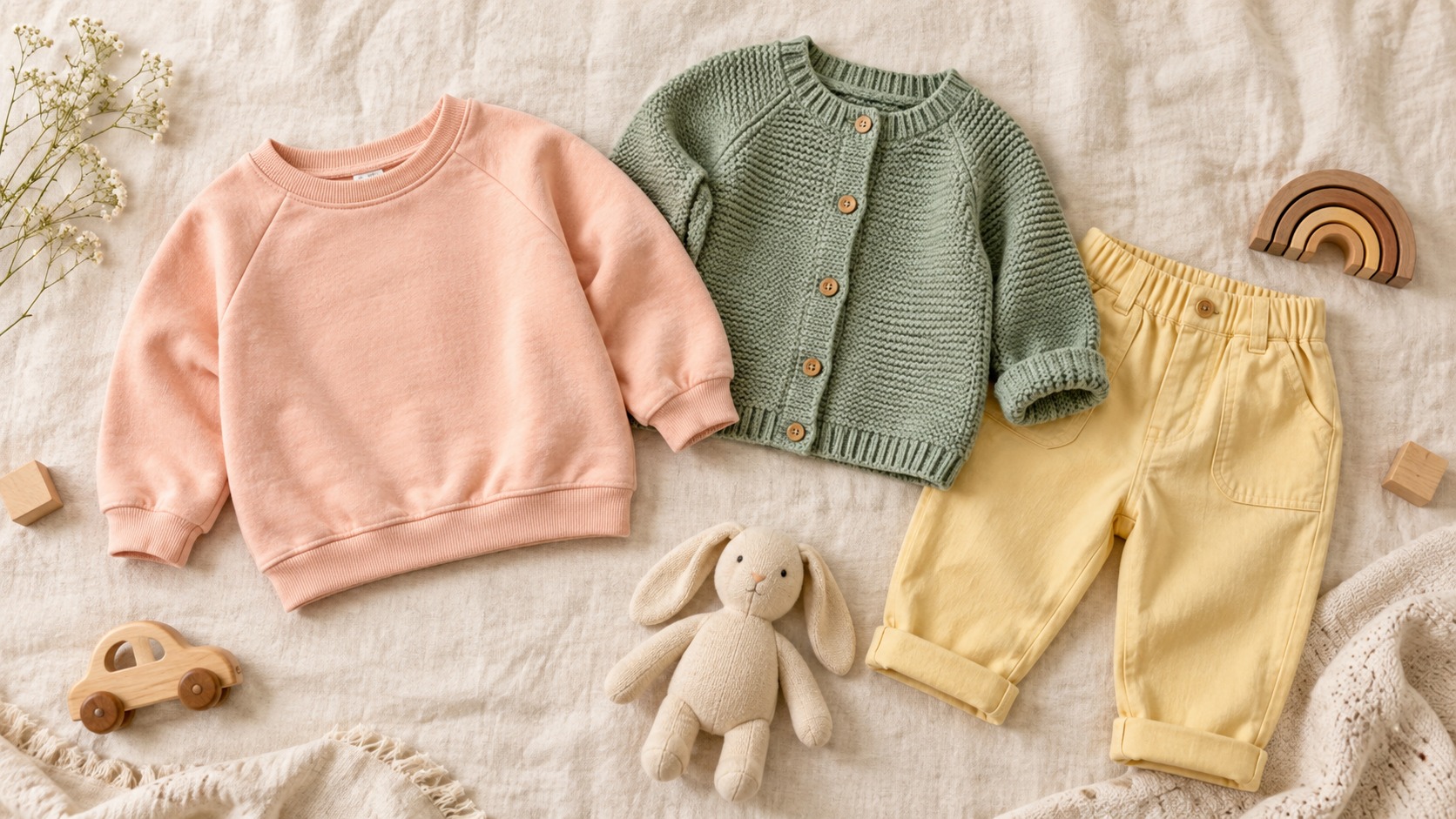
The Everyday Stories Edit
Three starting points. A distinct visual language. Explore the directions, then shape the details around your market.
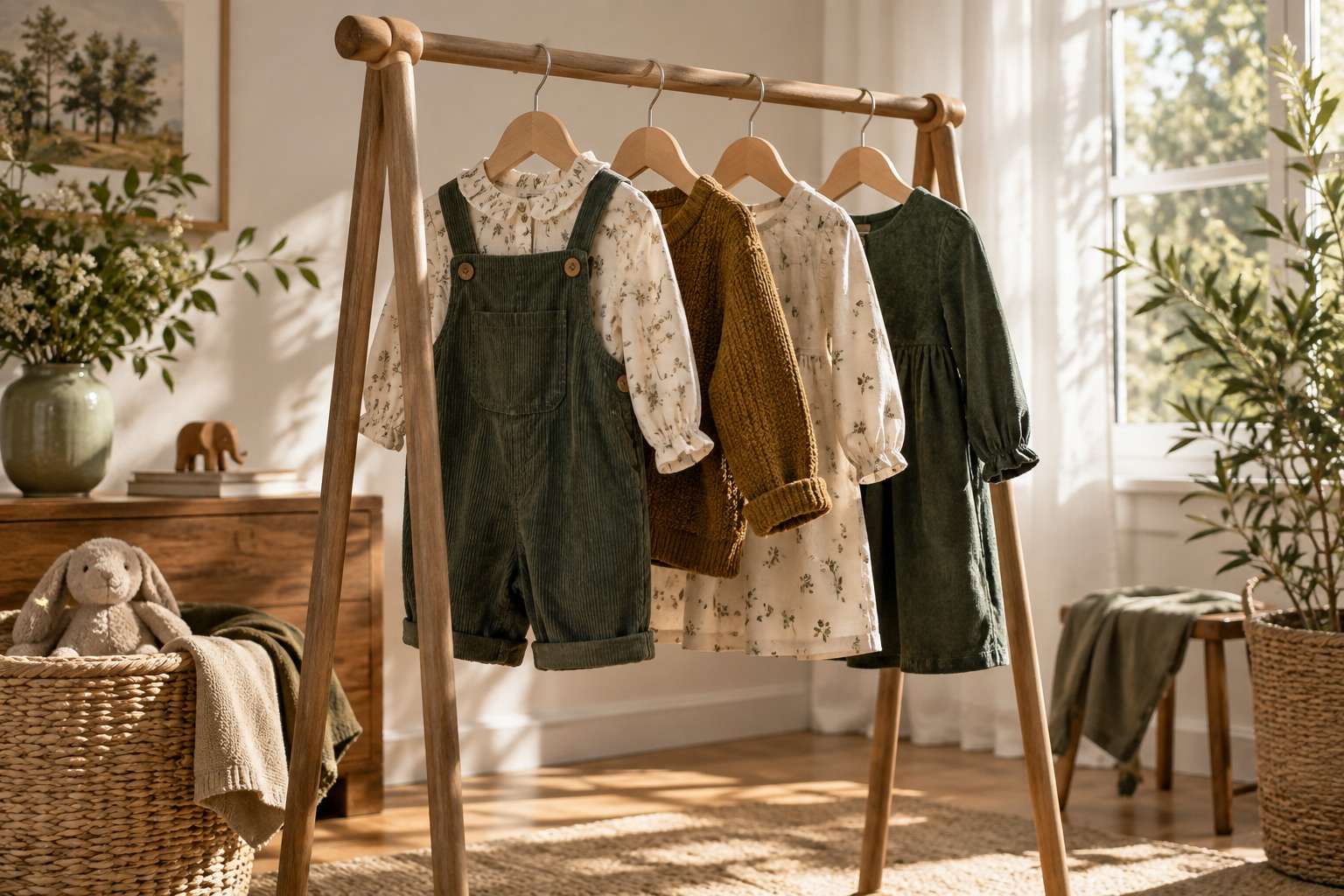
POINT OF VIEW
Small details.
Room to imagine.
A childrenswear edit begins with everyday life: getting dressed, changing seasons and finding pieces that work together. Explore cheerful colour stories and practical garment directions, then define the age range, fit and market requirements in your brief.
Consider your market.
Children’s boutiques
Plan a focused assortment by age group, season and colour story.
Family lifestyle stores
Explore easy-to-coordinate wardrobe directions alongside your wider retail edit.
Apparel buying teams
Build a clear sample brief with sizing, labelling and market requirements.
Your next edit
starts with a brief.
A practical sequence for moving from a collection idea to a product-specific enquiry.
Frame the brief
Choose your product direction, intended customer and destination market.
Define the details
Set out quantities, specifications, packaging preferences and timing.
Review the proposal
Request actual product information, samples, documentation and written terms.
Confirm before ordering
Approve the final specifications, commercial terms and fulfilment arrangements.
Before we
begin.
Answers to help you prepare a more useful sourcing conversation.
How should I define the age and size range?
Provide the intended age groups and measurement references. Confirm the supplier’s size chart, fit samples and grading before deciding on the final order.
Are safety or material certifications available?
No certification is claimed on this website. Specify the documentation required for your destination market and request evidence for the actual product and materials.
Can pieces be coordinated as a collection?
Describe your colour palette, season and outfit combinations. Available styles, matching colours and order terms need to be confirmed during sourcing.
A clear brief.
A better conversation.
Bring your product direction, quantities and requirements together.